Canussa: Turning Waste Into Circular Bags
A B Corp Built
Around Circular Design
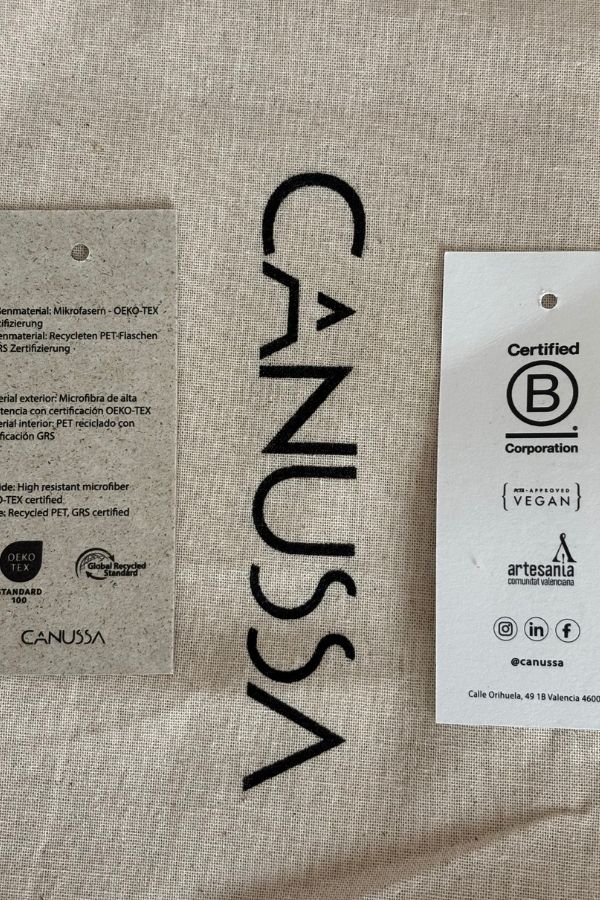
Canussa became a Certified B Corporation in 2022 with an initial B Impact Score of 102.4. At its 2025 recertification, that score increased to 135.1, substantially above both the 80-point certification threshold and the 50.9 median score for ordinary businesses completing the assessment.
This matters because the B Corp assessment extends beyond the environmental characteristics of individual products. It examines a company's wider practices across areas such as governance, community and environmental impact, providing a broader external measure of Canussa's business model rather than relying solely on brand-level sustainability claims.
A distinctive part of that model is Canussa Lab, which works with businesses to transform textile and plastic waste into new products. Its work includes prototyping, waste revalorisation, consulting and training, combining material development with local manufacturing.
Recycled and Plant-Based Materials
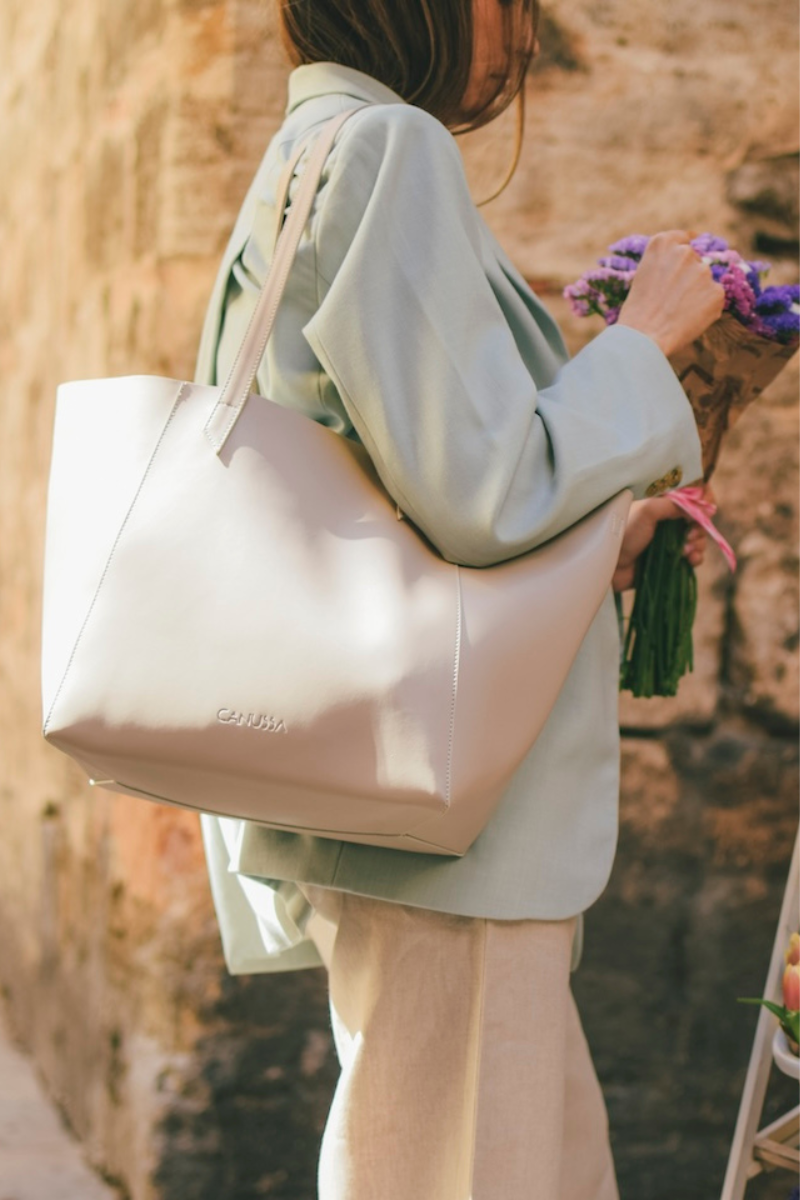
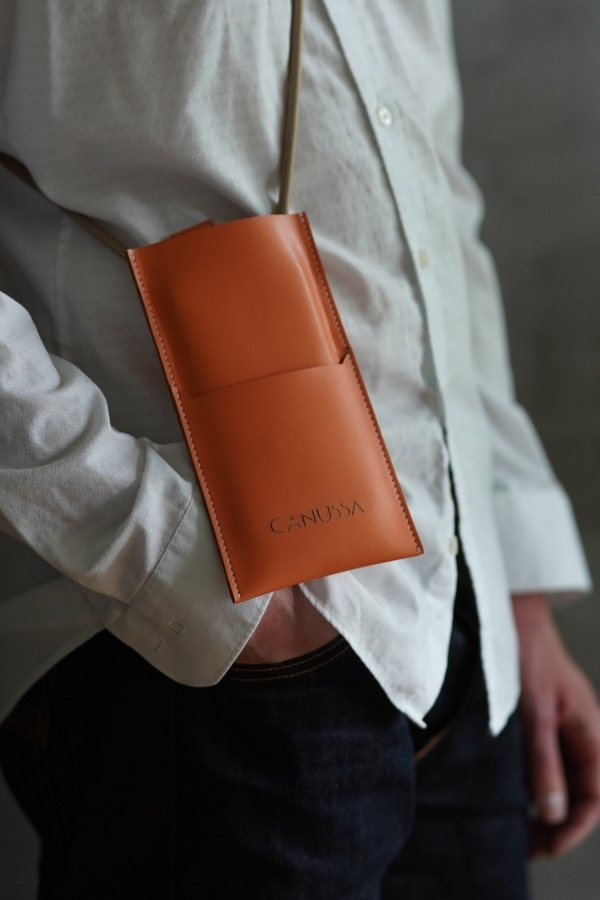
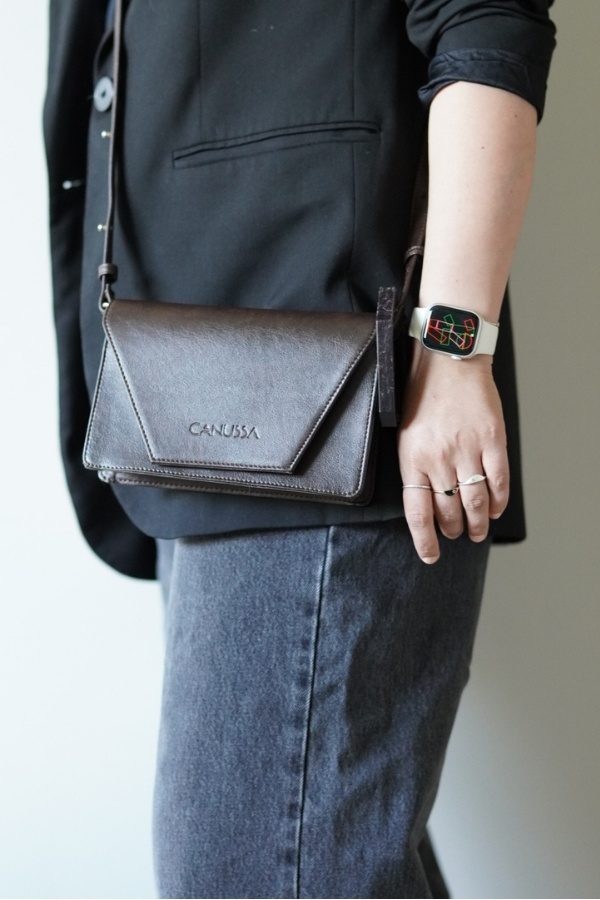
Depending on the product, Canussa uses recycled textiles and alternatives to conventional animal leather, including materials derived from agricultural resources and waste streams. The Trotto bag combines a GRS-certified recycled vegan exterior with a SEAQUAL® lining made from recycled polyester, including post-consumer plastic. Up to ten used plastic bottles can be incorporated into the recycled material used for one of its bags.
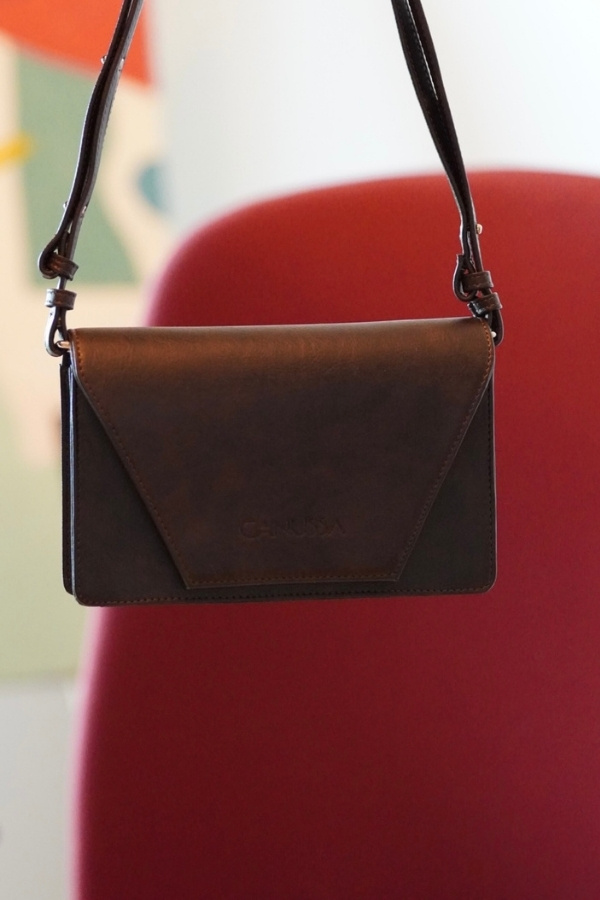
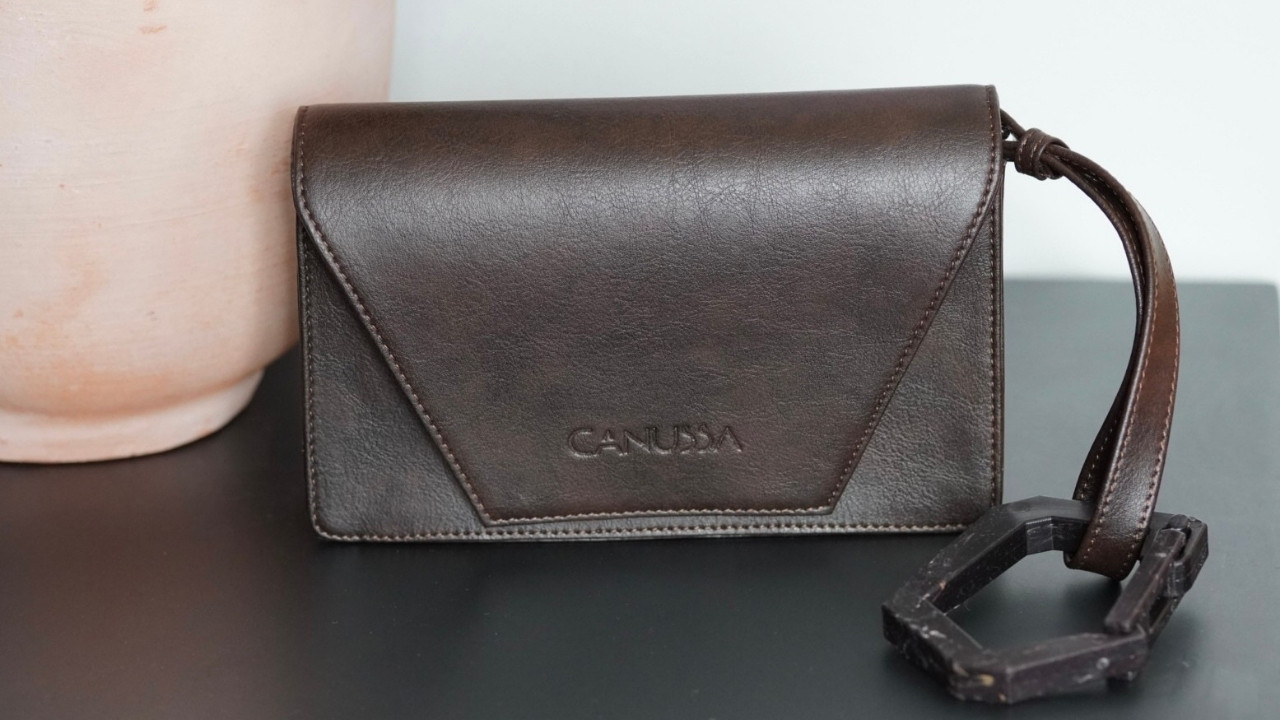
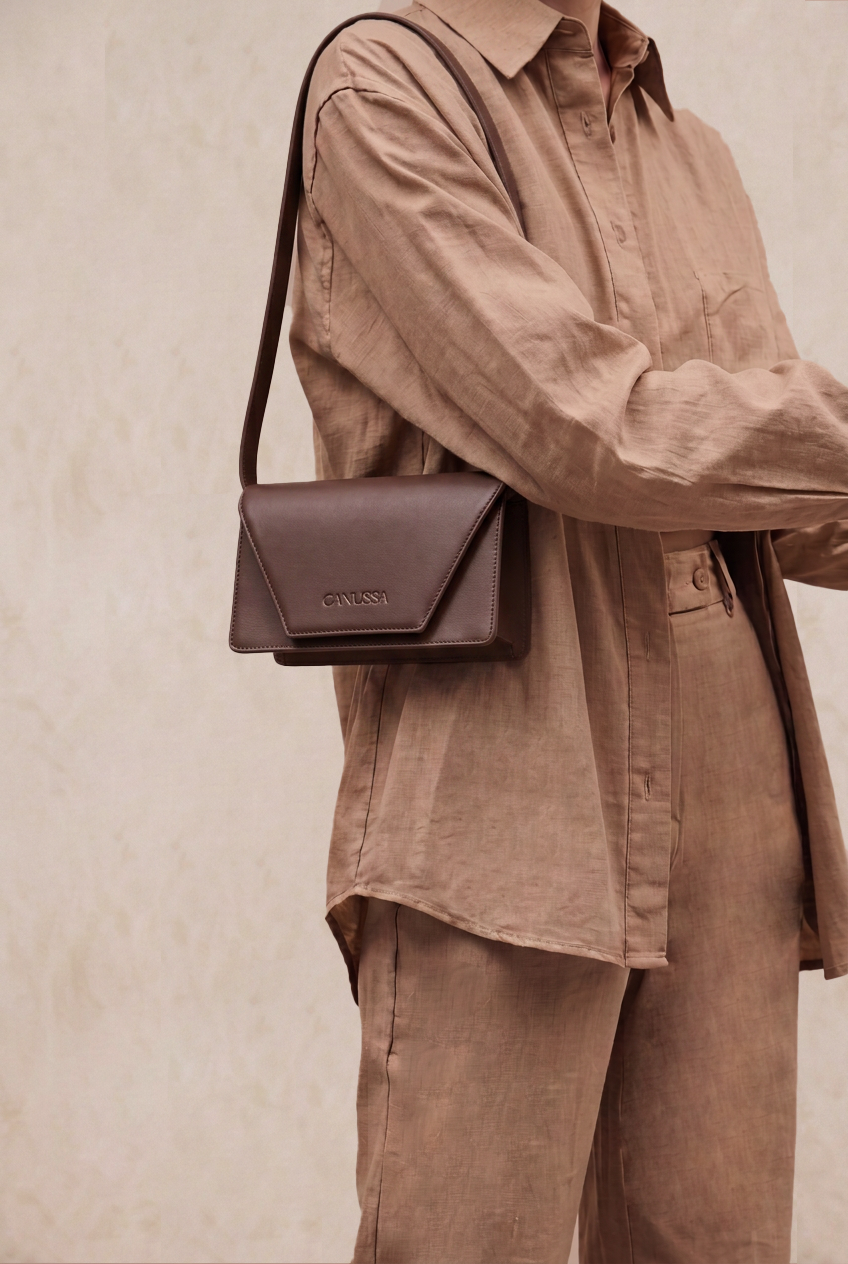
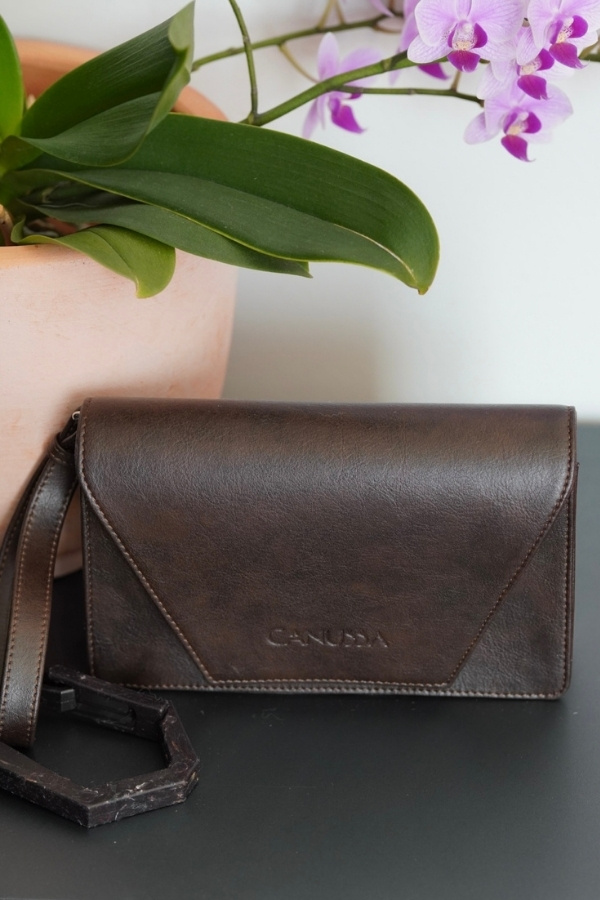
The Totissimo shoulder bag and Executive bag similarly combine durable vegan microfiber exteriors with recycled interiors. Their exterior material is OEKO-TEX Standard 100 certified, while recycled PET components carry GRS certification.
Plant-derived alternatives expand this approach. The Lite bag, Urban laptop backpack, and Protect laptop sleeve use a vegan material made partly from corn waste. The material is designed to be waterproof, washable, and resistant and carries OEKO-TEX Standard 100 certification.
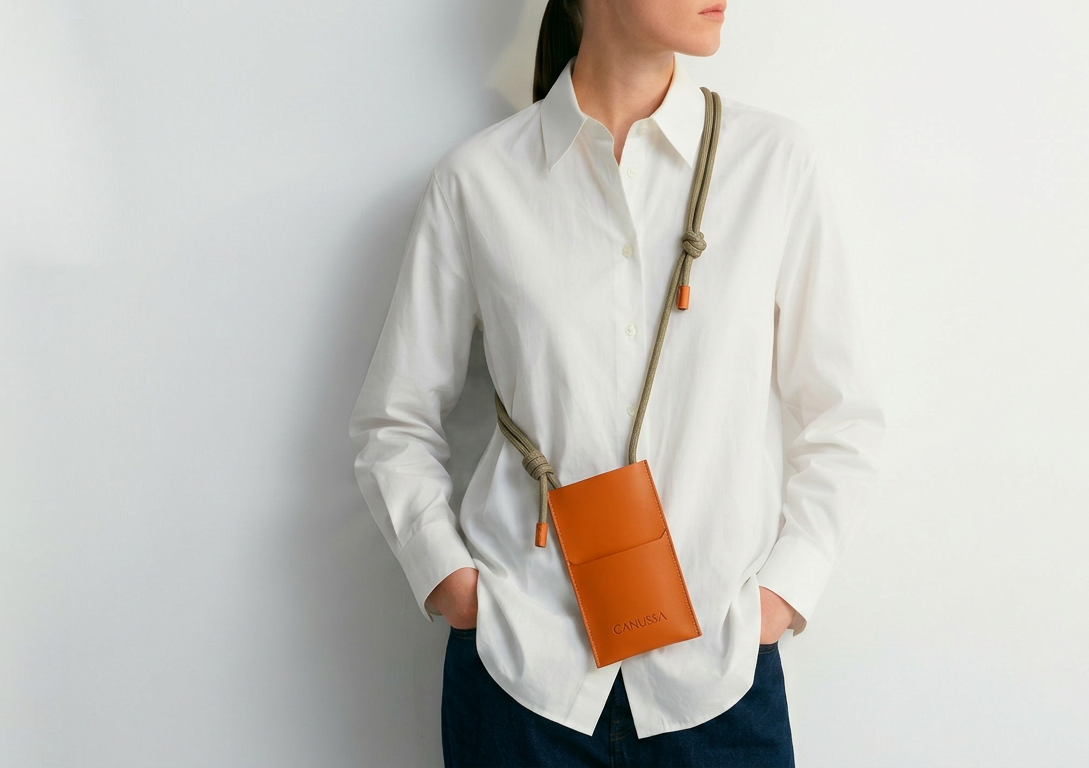
The Slim Card Holder is another example of their sustainable material strategy. Canussa has also experimented with PersiSkin derived from Valencian persimmon waste, showing how regional agricultural by-products can become inputs for accessories rather than being discarded.
Designing Products for Longer Life Cycles
Material choice is only one part of circular design. Product construction determines whether an accessory can remain useful, be repaired, reused or eventually separated for recycling.
The Lite bag, for example, is designed from a single primary material without hardware, reducing the complexity that can make products difficult to recycle. Canussa has applied similar thinking to its experimental PersiSkin cardholder, eliminating zippers and hardware to simplify its structure at the end of use.
Its Second Life collection extends this thinking beyond new production. Prototypes and products with slight imperfections are offered for sale rather than automatically being discarded, keeping already-manufactured goods in circulation.
Canussa has also introduced a Trade-In service, allowing customers to return eligible Canussa products they no longer use in exchange for a benefit toward a future purchase. Returned products are assessed and directed toward an appropriate next stage, adding another mechanism for extending product lifecycles. The company also plans to launch a rental program in October 2026, further shifting its circularity strategy from materials and design toward models that can keep products in use for longer.
Turning Waste Into a Design Resource
Canussa Lab pushes circularity beyond the company's regular collection by developing products around specific waste streams. The broader Closset project applies the same waste-valorisation approach to a small accessory designed to serve as a hook or hanger for bags and backpacks.
Different versions transform waste streams and materials from old bags into a new functional product, including Closset PolyAl, developed with Tetra Pak and CM Plastik using the polyethylene and aluminium fraction remaining after paper fibres are recovered from used beverage cartons.
Other experiments use locally available biological waste. Canussa has developed laptop sleeves from palm-tree residues from Elche, Alicante, transforming material generated through pruning into a new input. Its material library also includes cork, corn, palm and persimmon alongside recycled and 3D-printable materials.
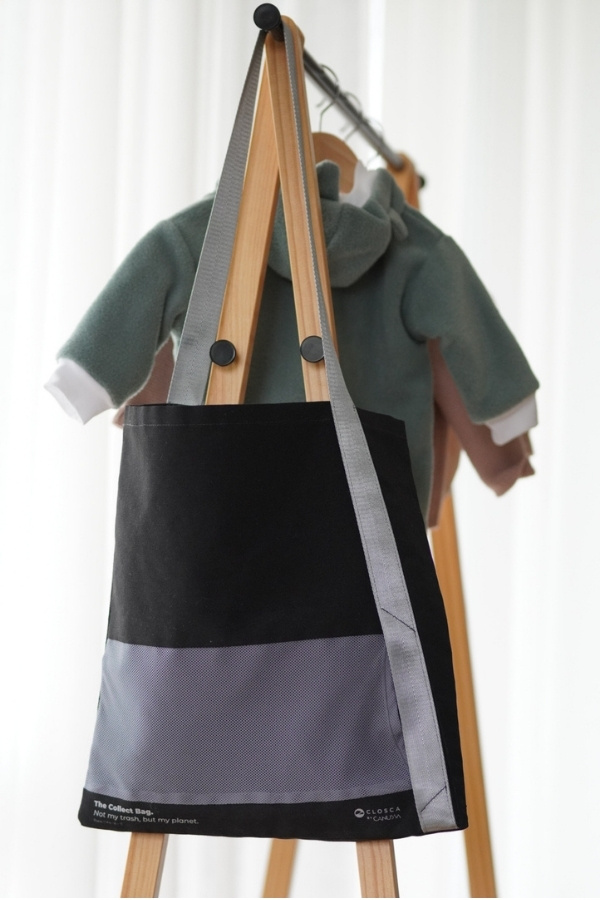
The Collect Bag, developed by Canussa Lab with Closca, translates the same philosophy into a particularly simple product. Made in Spain from GRS-certified post-consumer recycled plastic, the tote minimizes material use to facilitate eventual recyclability and includes an exterior pocket intended for collecting small pieces of litter.
Local Production With a Social Dimension
Canussa's manufacturing model remains closely connected to Spain. Its accessories are produced in Spanish artisan workshops under fair working conditions, linking its environmental strategy with local economic activity and preservation of manufacturing skills.
Some projects add a more explicit social component. The Canussa Sporty bag is hand-stitched in a social workshop in Valencia that provides employment opportunities for women with limited access to the labor market. The design also repurposes seatbelts recovered from vehicle scrapyards.
Together, these initiatives show a model in which circularity extends beyond recycled content. Canussa connects product longevity, Spanish craftsmanship, waste revalorisation and material experimentation within the same business. Its 135.1 B Impact Score provides independent evidence that these practices form part of a broader impact structure rather than existing only at product level.