Nudie Jeans Feature: Circular Denim & Repair Structures
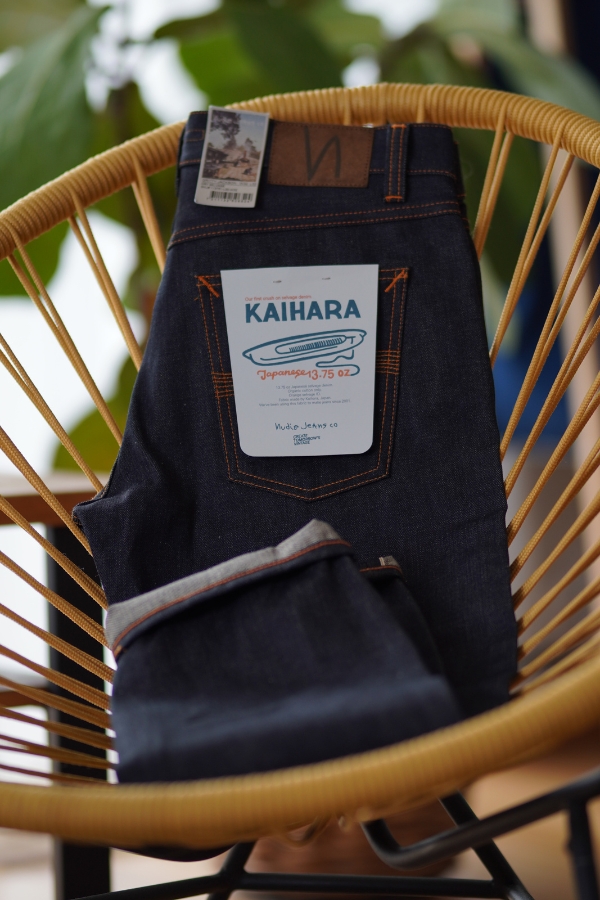
Rather than chasing endless seasonal trends, Nudie Jeans was built on durability, and the brand went as far as to offer free repairs for life to keep its jeans in circulation. It’s a move that directly challenged the traditional fashion industry's reliance on mass production and constant consumption to drive growth.
By encouraging shoppers to buy less and repair often, Nudie Jeans proved that true sustainability isn't just about production. Keeping clothes in rotation for nine extra months slashes their environmental impact by nearly a third, turning the brand’s durability ethos from a nice retail perk into a measurable climate solution.
Materials &
Sustainability Strategy
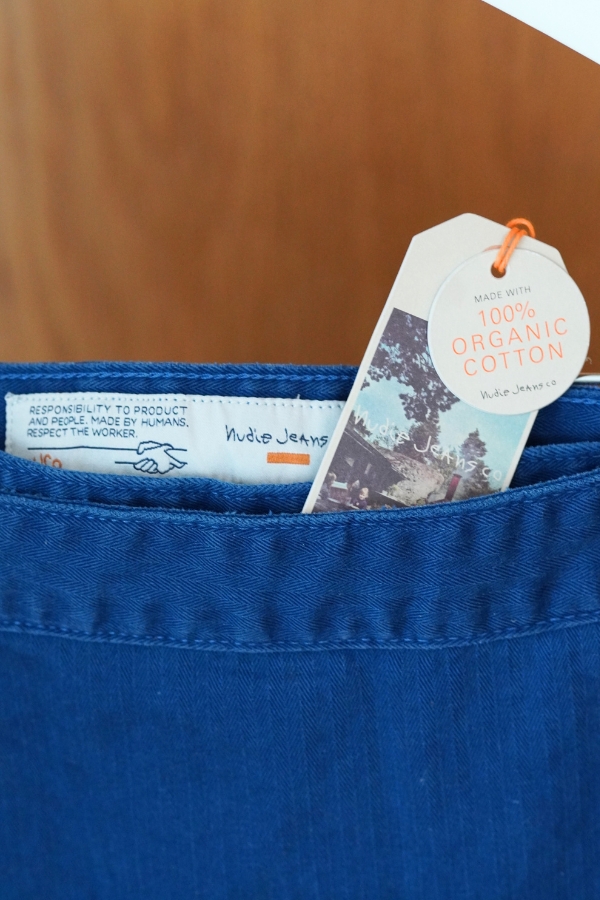
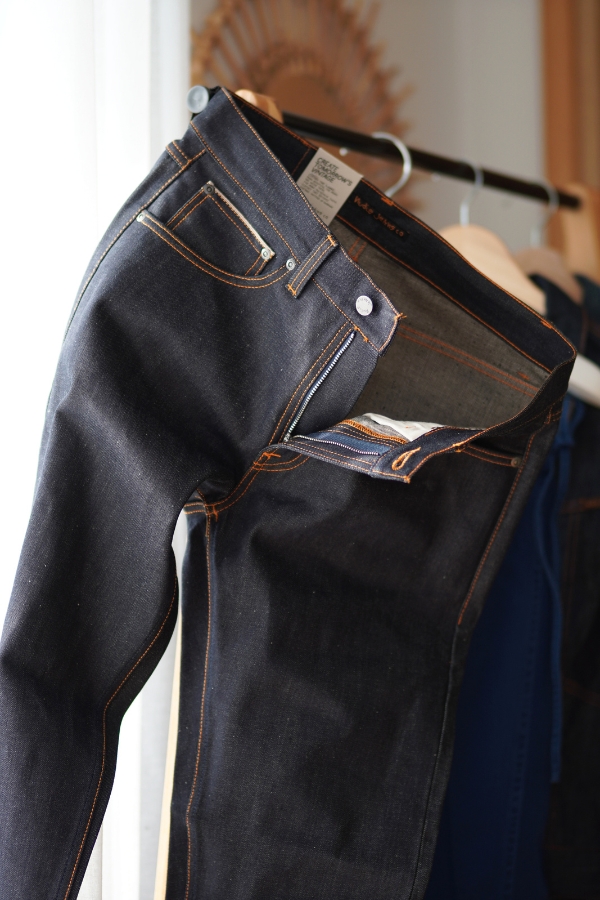
Material sourcing at Nudie Jeans is primarily based on organic cotton. The brand transitioned to 100% organic cotton across its collections, reducing reliance on conventional agriculture associated with synthetic fertilizers and pesticides.
Recent initiatives explore regenerative organic cotton. These programs aim to improve soil health, increase biodiversity, and enhance carbon sequestration potential. While still a relatively small part of overall production, regenerative organic cotton represents an important development area for the company.
Recycled cotton is also integrated into select products. By incorporating post-consumer and post-industrial fibers, the company reduces dependency on virgin raw materials.
Nudie Jeans is also working to cut its reliance on new materials. Through its "Denim Reimagined" project, the brand takes post-consumer waste, quite literally old jeans, and weaves those recycled fibers into new collections. It is an ongoing experiment in circular design aimed at closing the loop so nothing goes to waste.
Supply Chain
Traceability
Nudie Jeans doesn't just vaguely promise fair labor. It publishes its supplier lists for anyone to see. Through regular audits by the Fair Wear Foundation, the brand tracks wages, working hours, and factory safety to hold itself accountable. This kind of transparency remains rare in the fashion industry, even among brands that actively market their sustainability.
This level of openness goes right down to the individual garment. Customers can look up exactly where and how their jeans were made. By keeping its supplier network tightly grouped around Europe and the Mediterranean, rather than scattered across a massive global web, the company maintains much stricter oversight of its operations.
The brand has also worked to improve traceability at the raw material level through initiatives linked to organic and regenerative cotton sourcing. However, achieving full traceability across all supply chain tiers remains a complex industry-wide challenge that requires continuous supplier collaboration, verification systems, and data integration.
While transparency alone does not eliminate sustainability risks, public supplier disclosure can increase accountability and provide consumers with greater insight into how products are made.
Repair Culture &
Circular Business Model
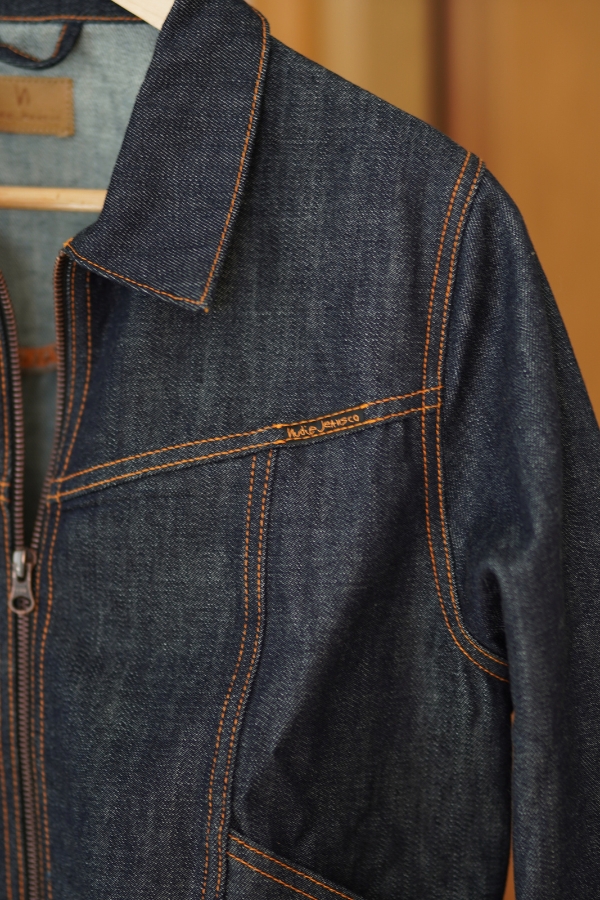
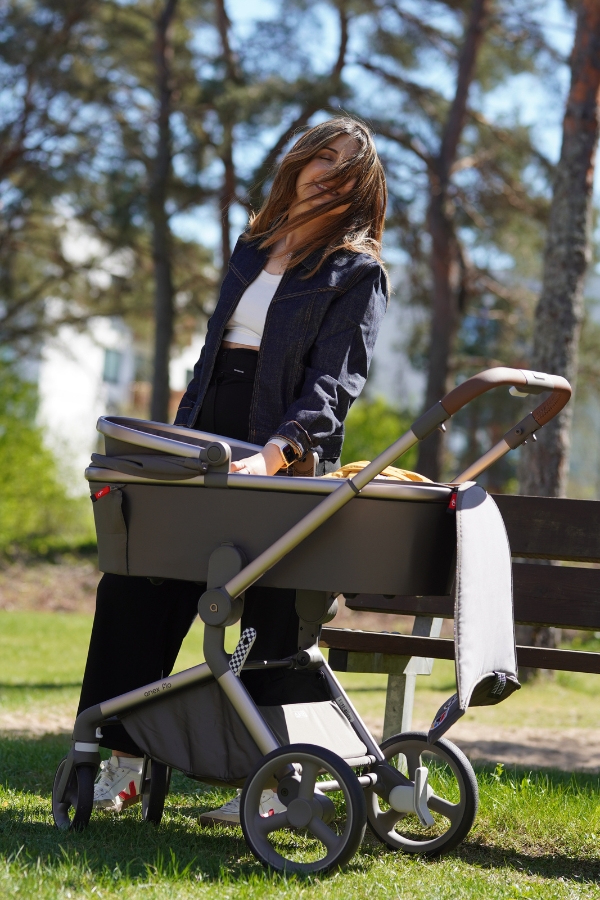
Nudie Jeans does not treat sustainability as a separate, box-ticking exercise. Instead, the entire business is built around keeping clothes in action. Product design, retail, and post-purchase care all function together in one continuous loop.
- At the heart of this system are the brand's global Repair Shops. By offering free repairs for life, the company actively encourages customers to fix their jeans rather than throw them away. The scale of this operation is significant. In 2025, the brand completed more than 66,000 repairs across its network.
-
Second-hand resale is another core pillar. The Re-use program collects, refurbishes, and resells worn garments, giving old denim a second life and easing the demand for new materials.
- The third pillar of the model focuses on education, providing the guides and advice needed for shoppers to take garment care into their own hands. This extends the repair philosophy beyond physical store locations and helps normalize maintenance as part of clothing ownership.
By prioritizing care over constant replacement, the company moves fashion toward a model where clothes are actually built to last. This approach keeps materials in use and slashes waste, providing a rare proof of concept for the wider industry. It proves that repair, resale, and ethical sourcing can be woven into a successful, large-scale commercial business.