Patagonia: Responsible Materials & Gear Made to Last
A Business Connected to Environmental Action
Founded by Yvon Chouinard in 1973, Patagonia brings together a love of the outdoors with a commitment to protecting the natural world. That commitment shapes both the clothing it makes and the way it runs its business. This includes its choice of materials and services that help people repair and keep wearing their favorite garments.
In 2022, the Chouinard family took that commitment further by transferring ownership to the Patagonia Purpose Trust and the Holdfast Collective. The structure protects the company’s mission and directs profits not reinvested in the business toward environmental action, making the protection of nature part of Patagonia’s future.
Organic Cotton, Hemp and Recovered Fibers
In 1996, Patagonia made a major change to its cotton sourcing: committing to virgin cotton grown using organic practices. It now supports several routes, including certified organic cotton, Cotton in Conversion and Regenerative Organic Certified cotton. Each represents a different stage or standard within that approach.
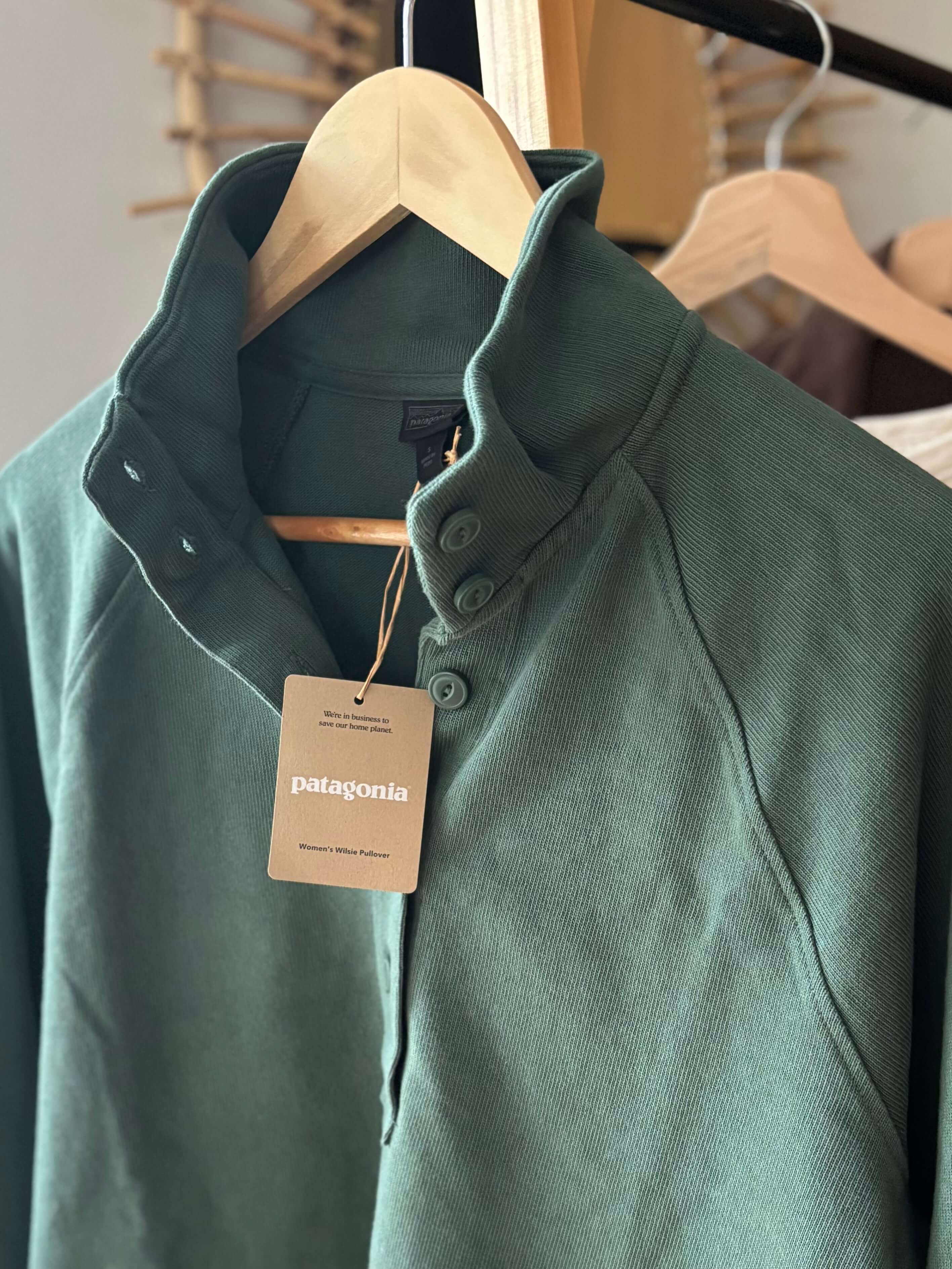
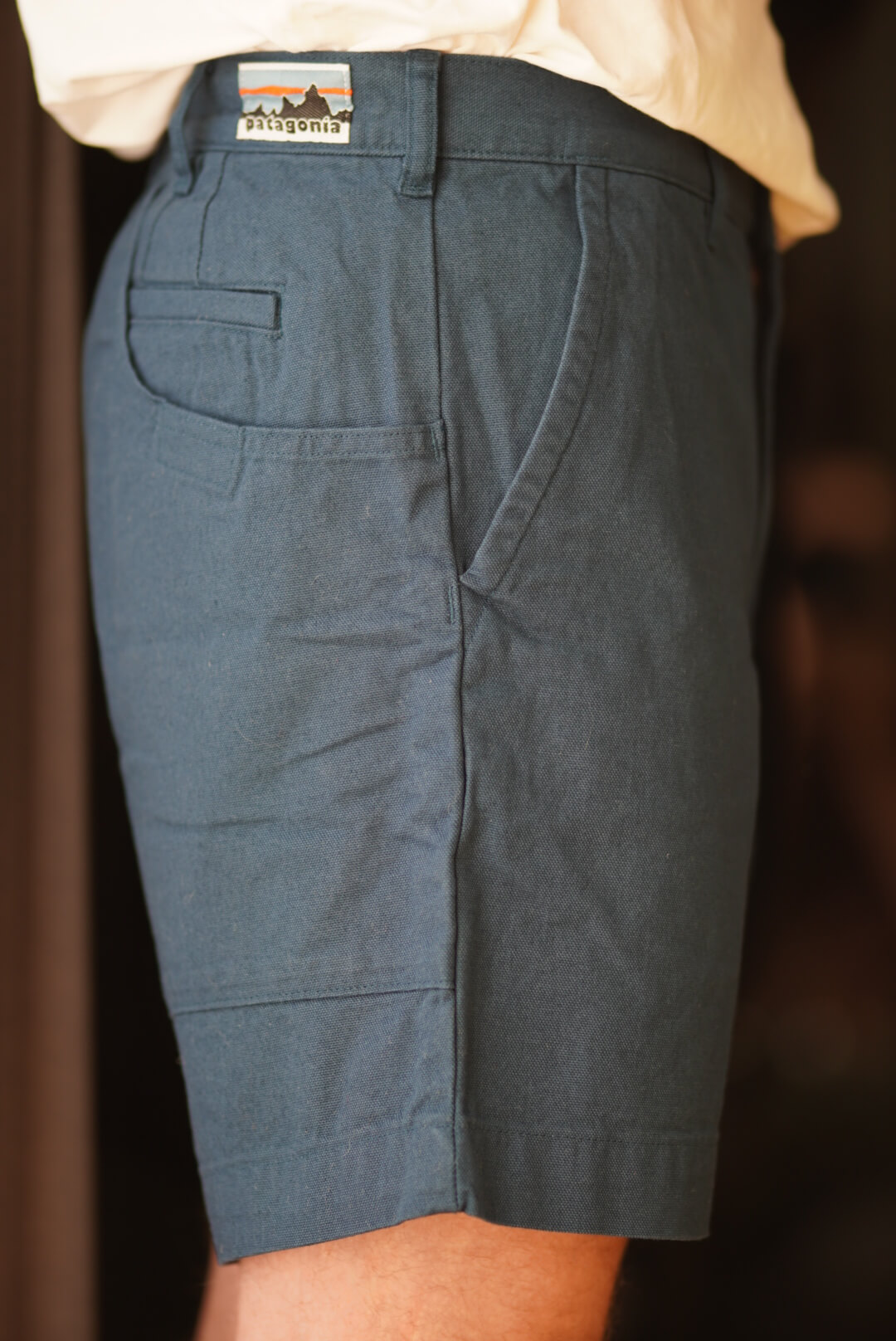
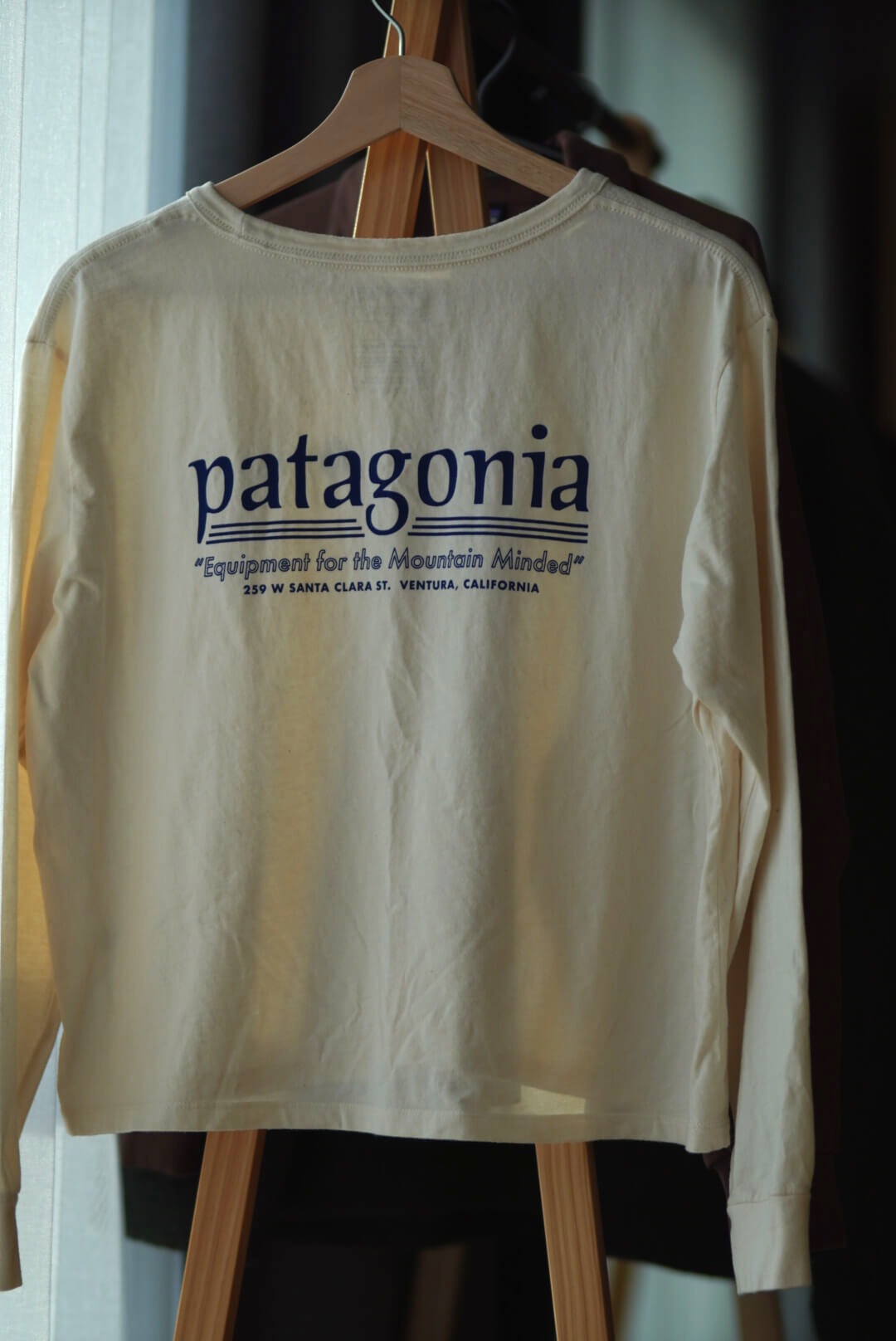
Regenerative Organic Certified farming builds on organic practices with requirements addressing soil health, animal welfare, and social fairness. Techniques include cover cropping, composting, and crop rotation. The Women’s Wilsie Pullover uses 100% Regenerative Organic Certified cotton heavyweight jersey, while the Men’s Heritage Stand Up Canvas Shorts use the same certified fiber in a sturdy canvas.
Supporting the transition is another part of the work. The Women’s Daily Jacket has a French terry body made from 100% Cotton in Conversion. This cotton comes from farmers using organic practices while working toward certification, providing a market for their crops during the transition. Hemp adds another natural fiber to the range. Patagonia develops blends for different uses, from workwear canvas to lighter everyday fabrics. The Men’s Baggies Naturals Shorts combine 55% hemp with 45% organic cotton in a lightweight plain weave.
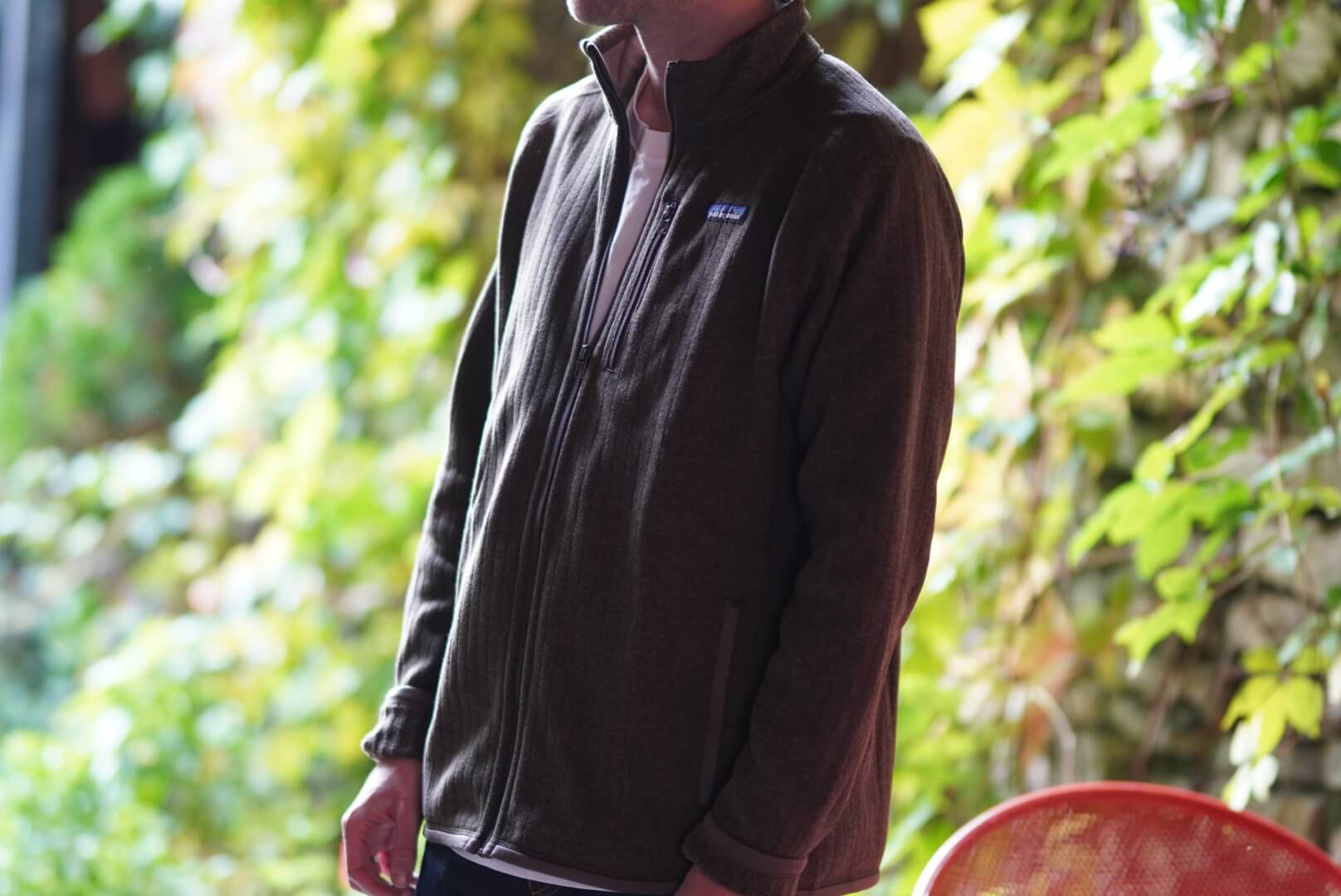
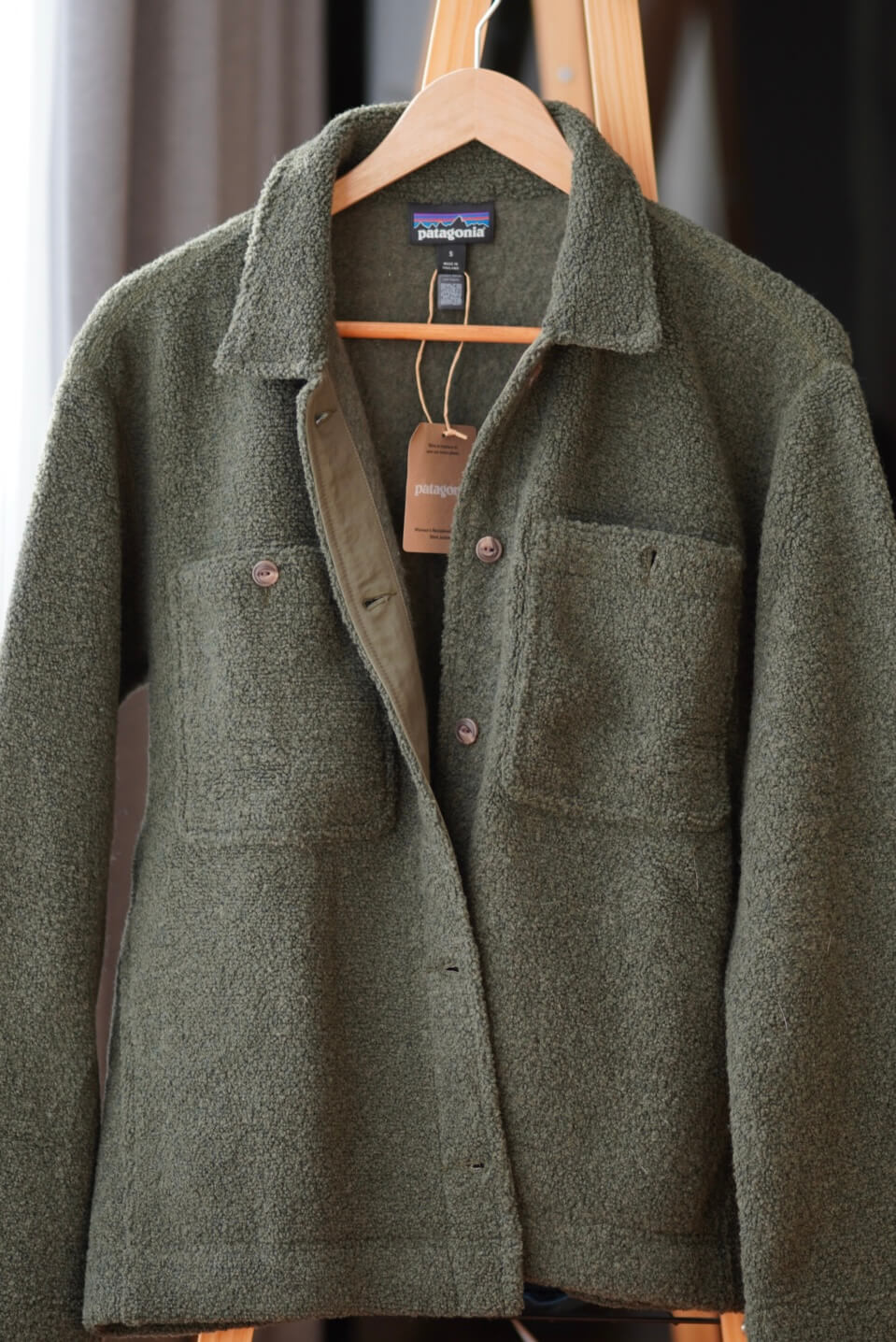
For its recycled wool, Patagonia uses material recovered from factory scraps and used garments. Partners sort it by color and mechanically shred it so it can be spun into new yarn, often adding recycled polyester for strength. The Women’s Reclaimed Sweater Shirt Jacket illustrates this approach with a fabric containing 48% recycled wool, 44% recycled polyester, 4% recycled nylon and 4% other fiber. Patagonia also asks recycled-material suppliers to hold approved chain-of-custody certifications, including RCS or GRS. Recycled synthetics remain part of its material strategy. The Men’s Better Sweater Fleece Jacket uses 100% recycled polyester fleece. Its dyeing process uses less water, energy, and dyestuff than conventional heather dyeing.
Keeping Clothing in Use
Material choices matter most when a garment continues to serve a purpose. Patagonia offers repair services and care guidance to help customers maintain their clothing. Through its US Worn Wear trade-in program, eligible Patagonia gear in good condition can also be exchanged for credit and made available for another owner.
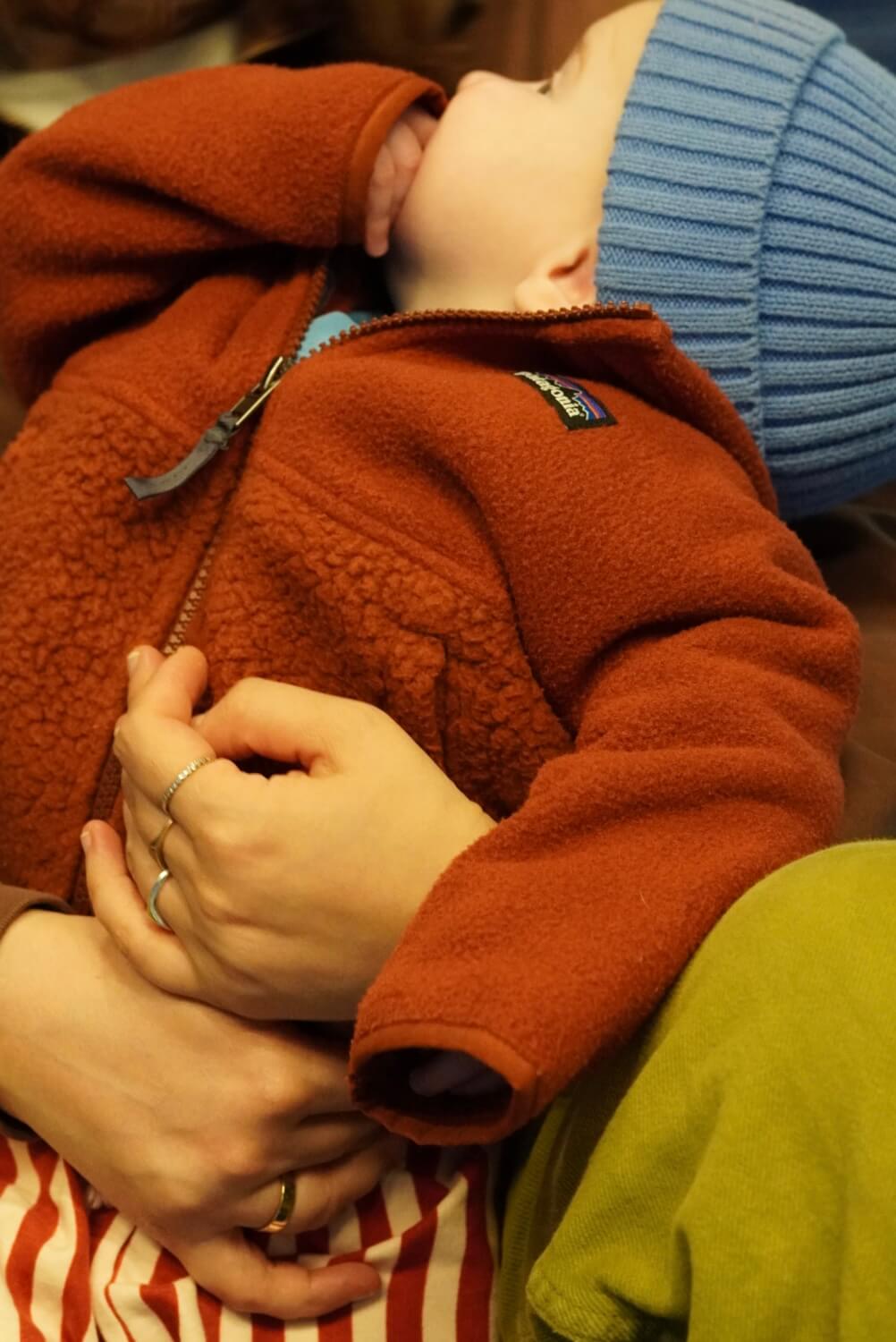
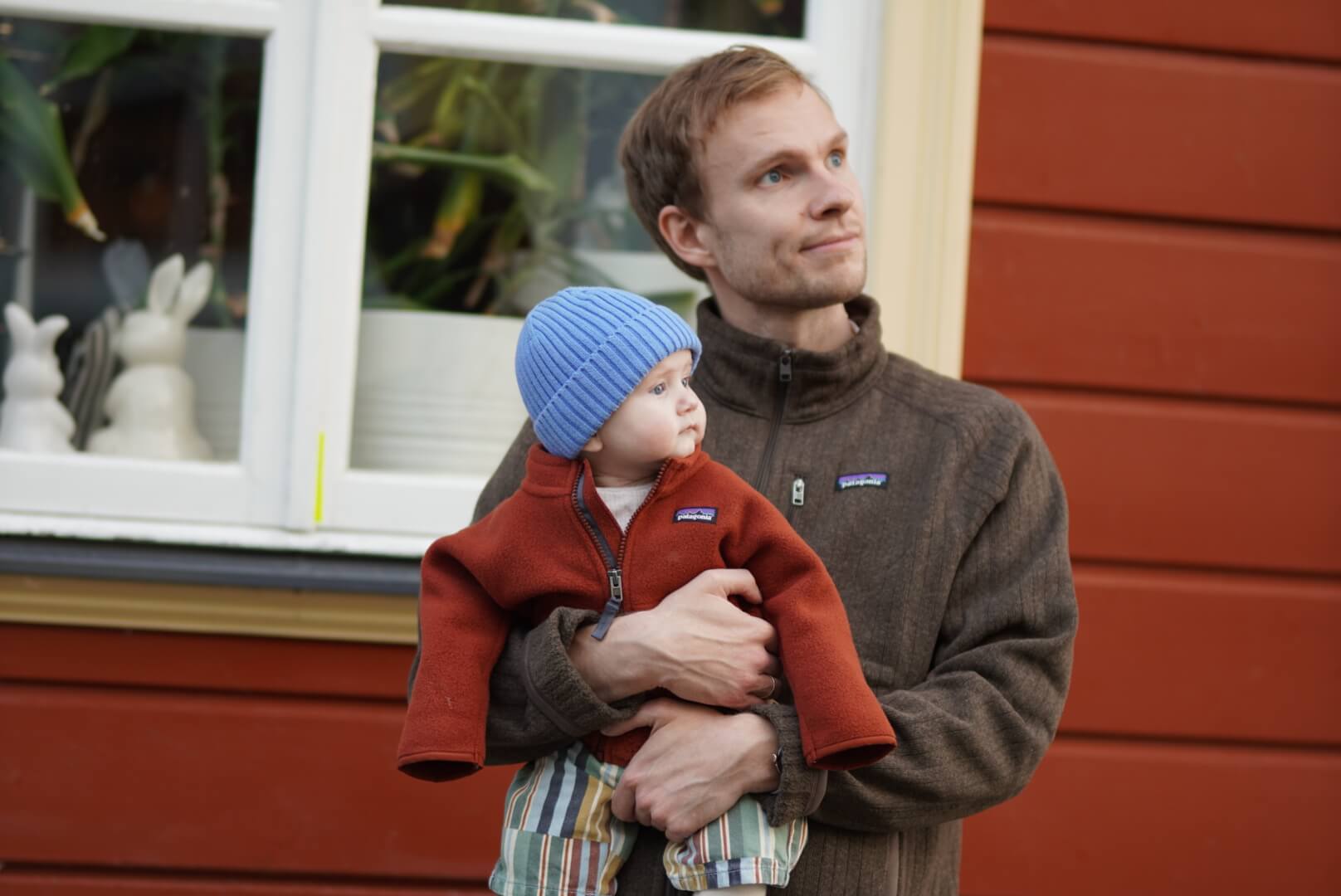
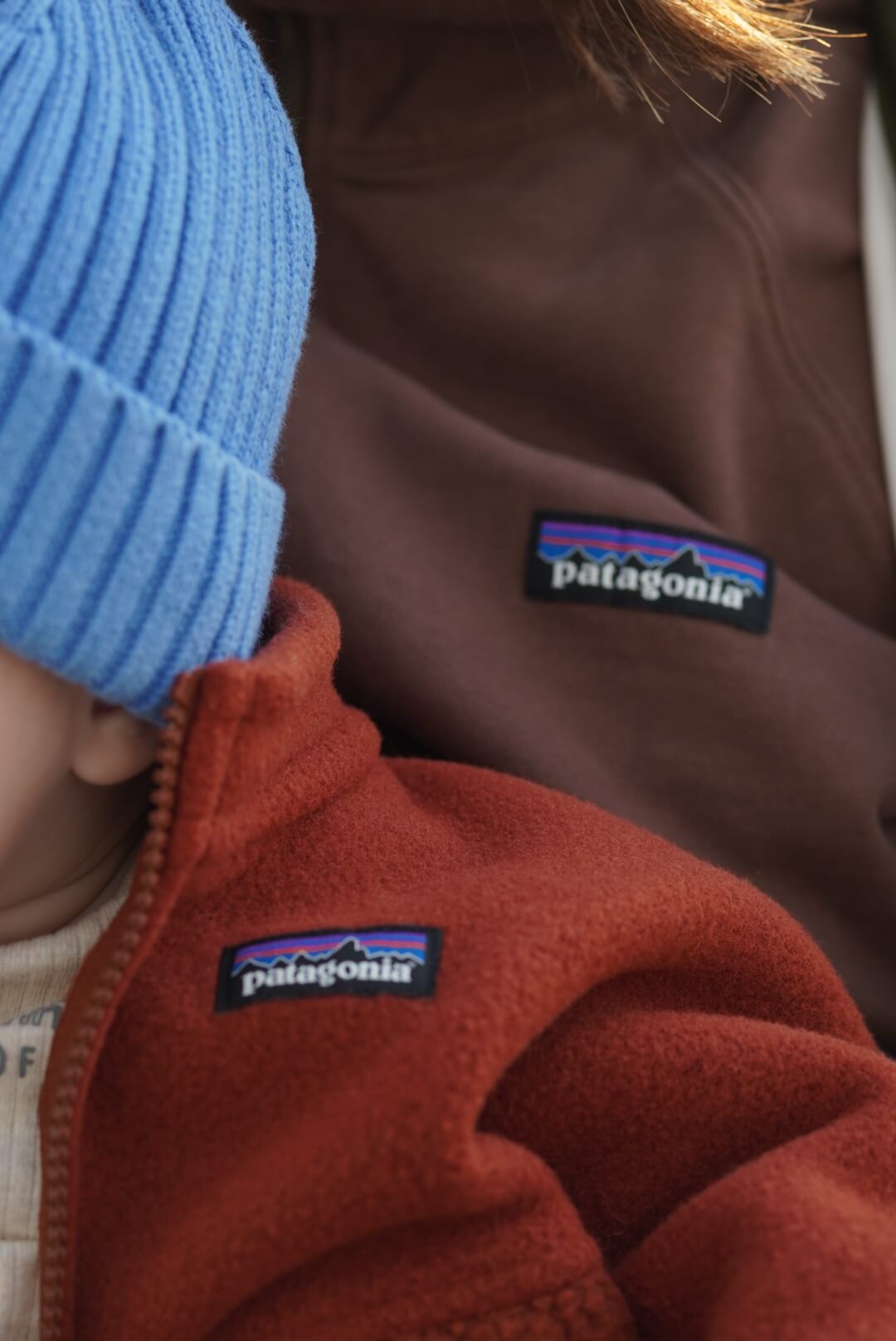
Some products encourage passing clothing on from the outset. The Baby Cozy Fluff Fleece Jacket is made with recycled polyester fleece and includes a hand-me-down name label, encouraging families to pass it on when their child outgrows it. It is a small, practical detail that recognizes how quickly children outgrow clothing that may still have years of use left.
Repair, resale, and passing garments on give customers several ways to extend use beyond the first purchase. They also make longevity something the company supports through services and design, as well as material selection.
Changing Chemistry and Addressing Plastic Pollution
Patagonia reports that all new products from Spring 2025 onward are made without intentionally added PFAS, including the membranes and water-repellent finishes used in technical gear. The change followed years of research and development to maintain performance while moving away from these chemicals.
Patagonia has also supported research into microfiber shedding from synthetic clothing and shares care guidance to help customers reduce the release of fibers during washing.
The company is also expanding its sources of recycled materials, including textile waste and discarded fishing nets. Through its partnership with Bureo, discarded fishing nets are turned into NetPlus material for clothing and gear, giving plastic waste another use and reducing reliance on virgin plastic.
Supporting Workers Alongside Material Improvements
Several of these pieces, including the Wilsie Pullover, Baggies Naturals Shorts, and Reclaimed Sweater Shirt Jacket, are made in Fair Trade Certified factories. Patagonia explains that this means the people who made them earned a premium for their labor.
Its wider supplier assessment considers social and environmental practices alongside product quality and business requirements. Its Social and Environmental Responsibility team can veto a new factory relationship. Alongside Fair Trade premiums, Patagonia works with suppliers and industry partners to help close the gap between current wages and a living wage.
Patagonia’s commitment runs through its material choices, repair services and the way the business is owned. Supporting organic farming, finding new uses for discarded materials and helping people keep their clothing for longer are practical parts of that work. Its ownership structure carries the same purpose forward, directing profits not reinvested in the business toward protecting nature.